
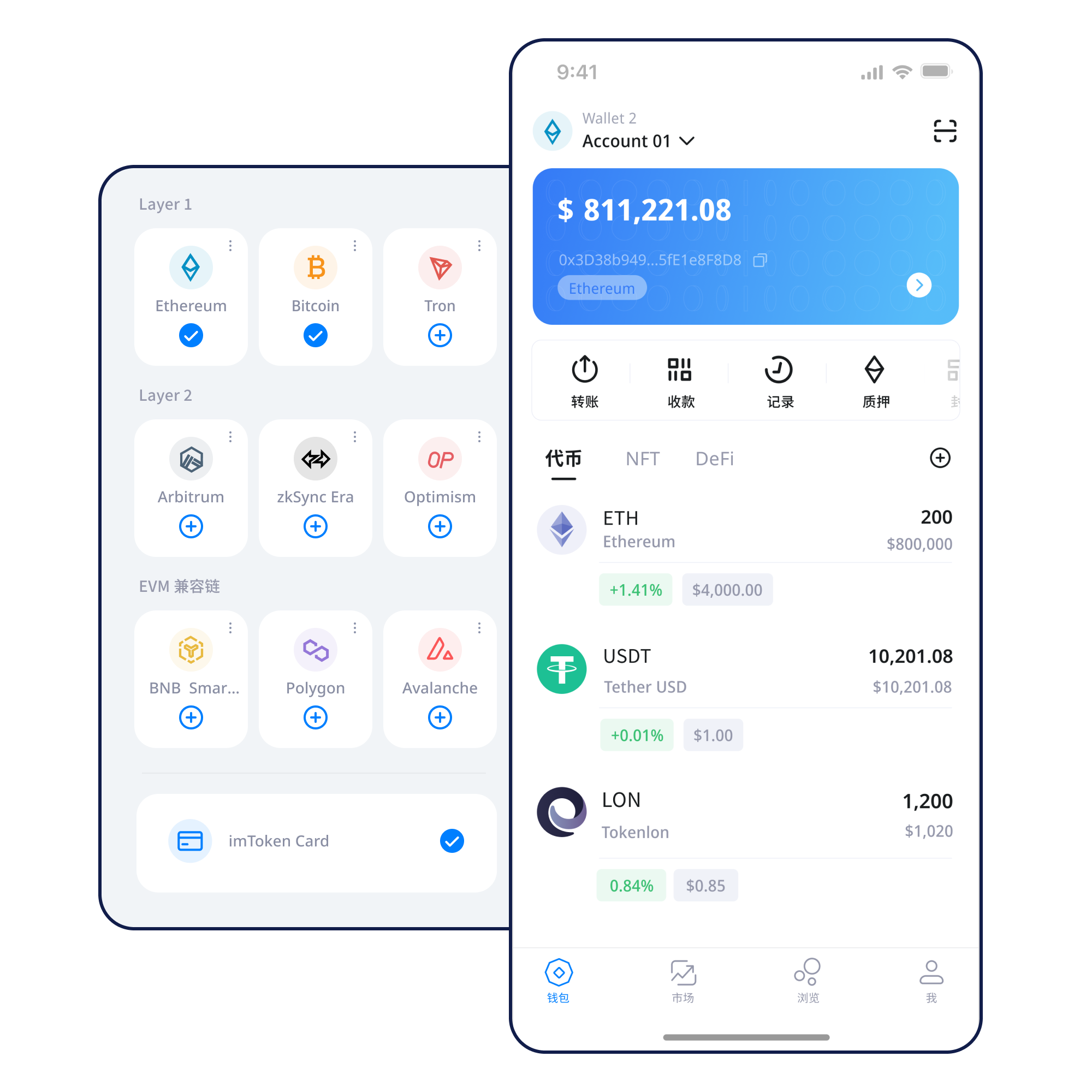
Multi-chain Assets
One wallet can interact with multiple networks. Understanding network differences and checking addresses and confirmations are core habits.
Understand multi-chain →A multi-chain wallet, blockchain network and Web3 knowledge hub from imtoken
Explore multi-chain assets, network selection, sending and receiving, DApp connections, token approvals, network concepts, and wallet security in one structured experience designed around real user tasks.
Understand seed phrases and private keys first, then prepare an offline backup immediately after setup.
View steps →Keep recovery information offline, private, and protected from accidental sharing or loss.
Backup guide →Confirm the receiving address and network before sharing account details with a sender.
Receive checks →Review the address, network, amount, and gas before broadcasting a transaction.
Send checks →Verify the domain, account request, signature details, and permission scope.
Connection guide →One wallet can interact with multiple networks. Understanding network differences and checking addresses and confirmations are core habits.
Understand multi-chain →Addresses, networks, amounts, gas, and transaction hashes form the key checkpoints of an on-chain transfer.
View transfer flow →Use mobile tools for network management, asset views, transaction history, and DApp access.
Explore the App →Browser connections require careful checks of domains, account requests, signatures, and approvals.
Explore Web →
Users control their seed phrases and private keys. Offline backups, careful approvals, and transaction checks matter more than absolute security claims.
Open Security Center →Fees, confirmation speeds, asset standards, and DApp support vary by network. Confirm where the asset exists and what the destination supports.
After broadcast, a transaction is accepted and included in a block. Explorers can show hashes, block heights, and confirmation status.
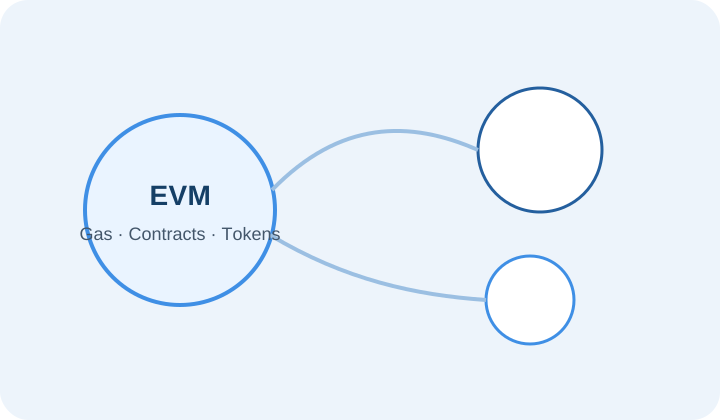
Similar address formats do not make networks interchangeable. Gas, contract addresses, token approvals, and chain IDs still need checks.
Bridging may include source-chain transactions, destination settlement, and waiting mechanisms. Check both sides if a transfer is delayed.
Fees vary with network conditions and transaction complexity. After submission, distinguish broadcast, inclusion, and the confirmation depth you expect.
Use the clear download entry and start the download through an explicit user action.
Understand recovery information and never type a seed phrase into a website.
Store the seed phrase offline and never disclose a private key.
Verify the network, address format, and destination support.
Check the address, network, amount, and estimated fee before sending.
Inspect DApp signatures and periodically remove permissions you no longer need.
Connecting a wallet allows a DApp to request account interaction. It does not mean every later request should be accepted. Verify the domain, request type, signature details, and approval scope.
Read the Web3 guide →Wallet security is a set of ongoing habits rather than a single switch. Keep seed phrases and private keys offline, avoid entering recovery information on unfamiliar websites, verify domains and account requests before using DApps, read the content of each signature, inspect approval targets and scope, and confirm the address, network, and amount before every transfer. Public devices, public networks, and remote-control sessions can add exposure and error risk. On-chain transactions generally cannot be reversed by a wallet, while third-party DApps and smart contracts may have technical or operational risks.
Open Security Center →Addresses receive on-chain assets, seed phrases and private keys control accounts, networks determine where a transaction occurs, and gas is the cost of execution. Transaction hashes help locate on-chain status, while DApp connections and token approvals add separate permission and request layers.
Start with the beginner path →Learn how Ethereum PoS, validators, reward sources, network state, withdrawals, and exits fit together. Rewards can change with protocol and network conditions and are not guaranteed.
Read Ethereum Staking →No. You control that information, and imtoken staff will not ask for it or for verification codes.
Review the destination address, network, amount, and estimated fee before broadcasting.
No. A connection and later signatures or approvals are separate actions that each need review.
Gas costs depend on network conditions, transaction complexity, and current pricing.
Different Layer 2 systems have different settlement and withdrawal mechanisms, some of which include waiting periods.
No. Rewards can change, validators can be penalized, and contract, service, and market risks remain.
Every download entry goes to the imtoken download page. Confirm the network, address, and request details before any on-chain action.